
Compare Local Contractors for Iron Fence Construction Success
Compare local contractors for iron fence construction to define project scope, verify experience, and set clear expectations in writing for a successful build.
Iron fence construction typically involves designing, fabricating, and installing durable iron fences that serve both functional and aesthetic purposes. This work includes selecting appropriate materials, shaping and welding iron components, and ensuring the fence meets the specific needs of the property, whether for security, privacy, or decorative appeal. Contractors often handle tasks such as site preparation, custom design, and precise installation to ensure the fence integrates seamlessly with existing landscape features and property boundaries.
Clearly defining the scope of an iron fence project is essential for establishing realistic expectations and ensuring the work aligns with property owners’ goals. A well-defined scope includes details about the fence’s size, style, and finish, as well as any additional features like gates or decorative elements. Documenting these specifications in writing helps prevent misunderstandings, facilitates effective communication with service providers, and provides a reference point throughout the project to confirm that the work meets the agreed-upon parameters.
Property owners can effectively compare local contractors by evaluating their experience, expertise, and reputation within the community. It’s advisable to verify how long each contractor has been working in iron fence construction and to seek references or reviews from previous clients. Additionally, reviewing portfolios or project examples can provide insight into a contractor’s capabilities and craftsmanship. When reaching out to service providers, asking detailed questions about their approach, materials, and process can help clarify their understanding of the project scope and ensure they are capable of meeting specific requirements.
Compare local contractors by outlining your project priorities, verifying experience, and setting clear written expectations.
- Compare Contractor Experience - Review the backgrounds and project histories of local contractors to ensure they have relevant experience in iron fence construction.
- Define Project Scope Clearly - Establish detailed project requirements and expectations to guide contractor selection and work execution.
- Verify Credentials and References - Check references and verify credentials to assess the reliability and quality of potential service providers.
- Document Agreements in Writing - Ensure all project details, scope, and expectations are documented to prevent misunderstandings during construction.
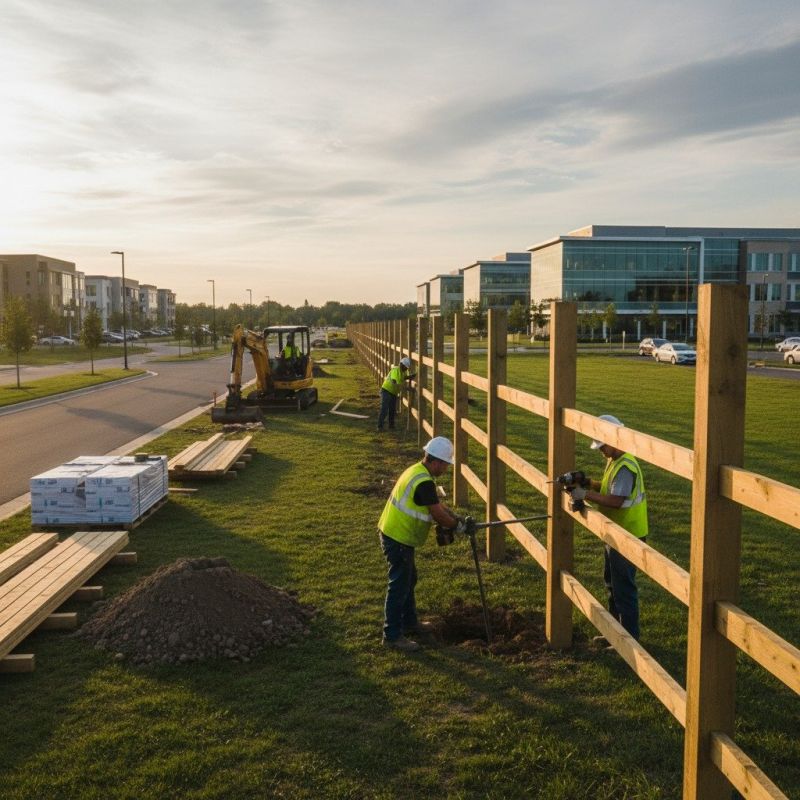
Clearly describe your iron fence project before comparing local contractors to ensure accurate scope and expectations.
- Verify experience and references related to iron fence construction to ensure quality workmanship. - Ensure contractors have a track record of completing similar fencing projects successfully.
- Define the scope of work clearly in writing, including materials, design, and installation details. - Clear documentation helps prevent misunderstandings and sets accurate project expectations.
- Compare multiple service providers to evaluate their expertise, professionalism, and project approach. - Gathering information from different local contractors allows for informed decision-making.
- Check for proper permits or approvals required for iron fence installation in the area. - Confirming compliance with local regulations avoids potential legal or code issues.
- Request detailed written estimates that outline work specifications and responsibilities. - Having comprehensive documentation ensures transparency and accountability.
- Discuss maintenance and durability expectations to select the right materials and construction methods. - Clarifying longevity and upkeep helps ensure the fence meets long-term needs.
Compare local contractors’ experience and clarify project scope to ensure clear expectations.
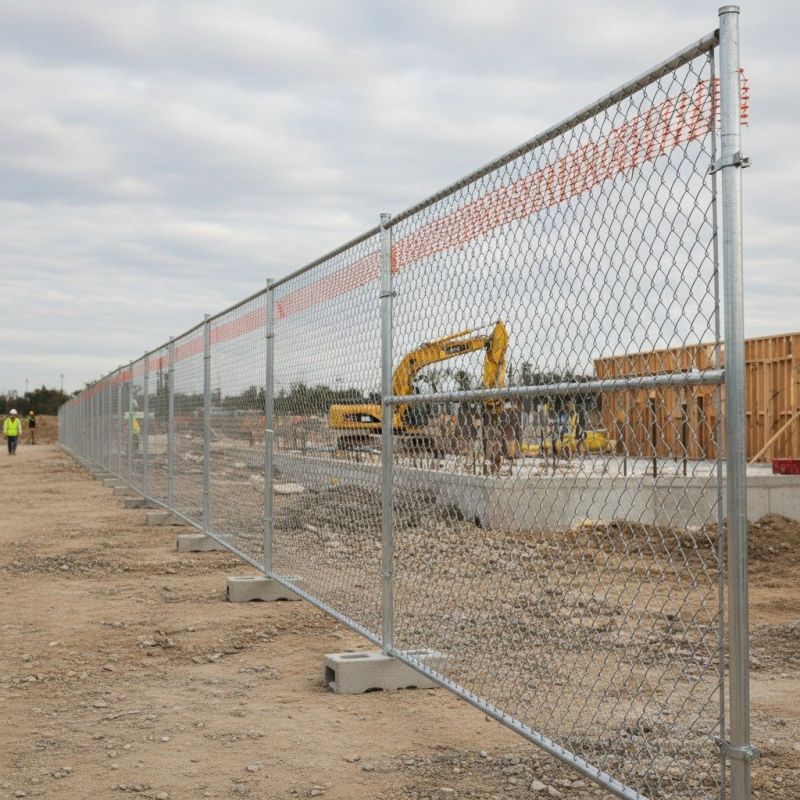
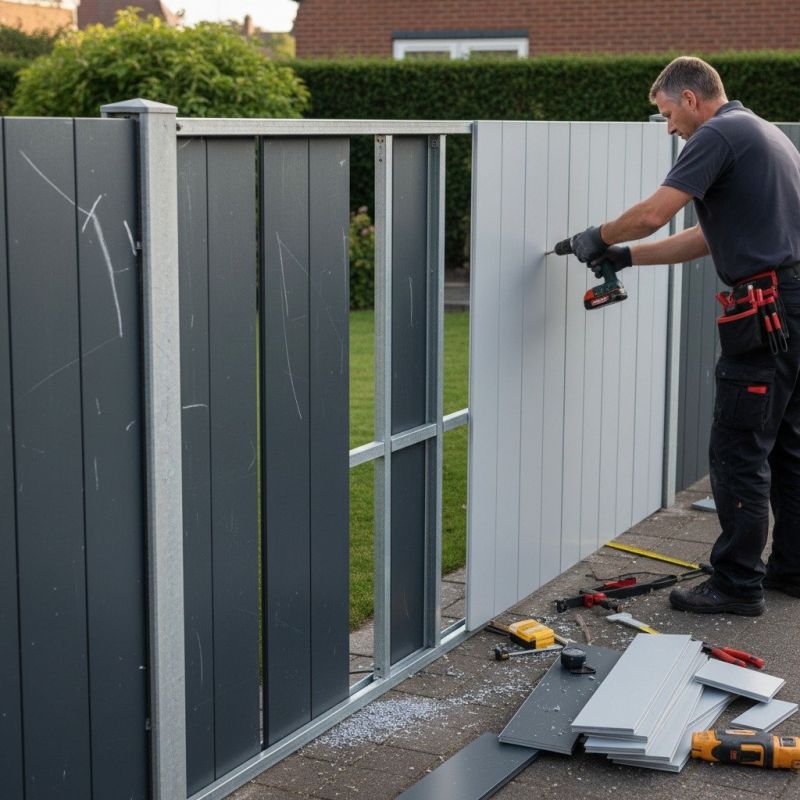
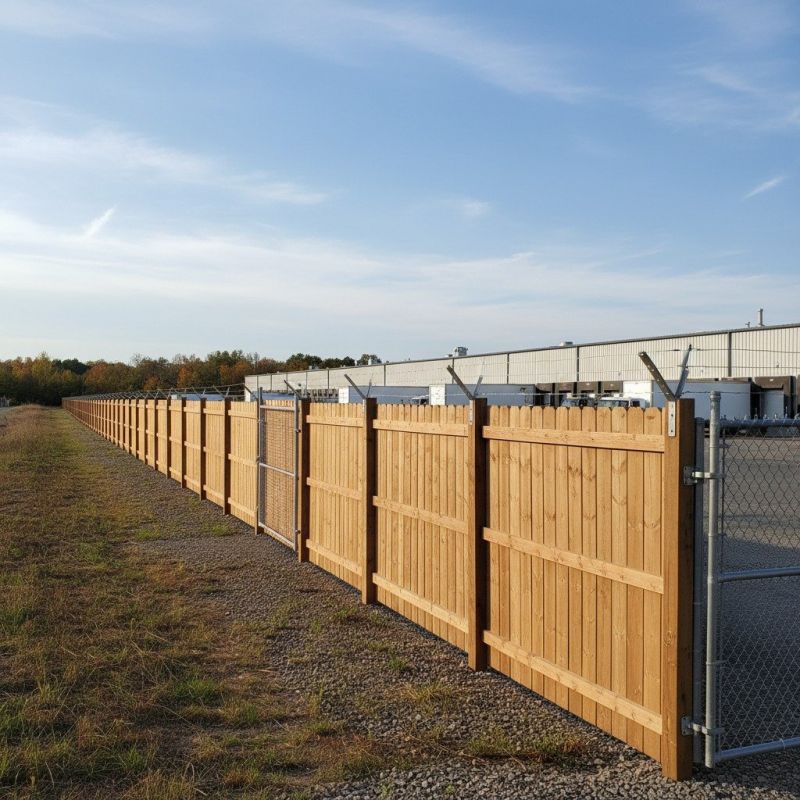
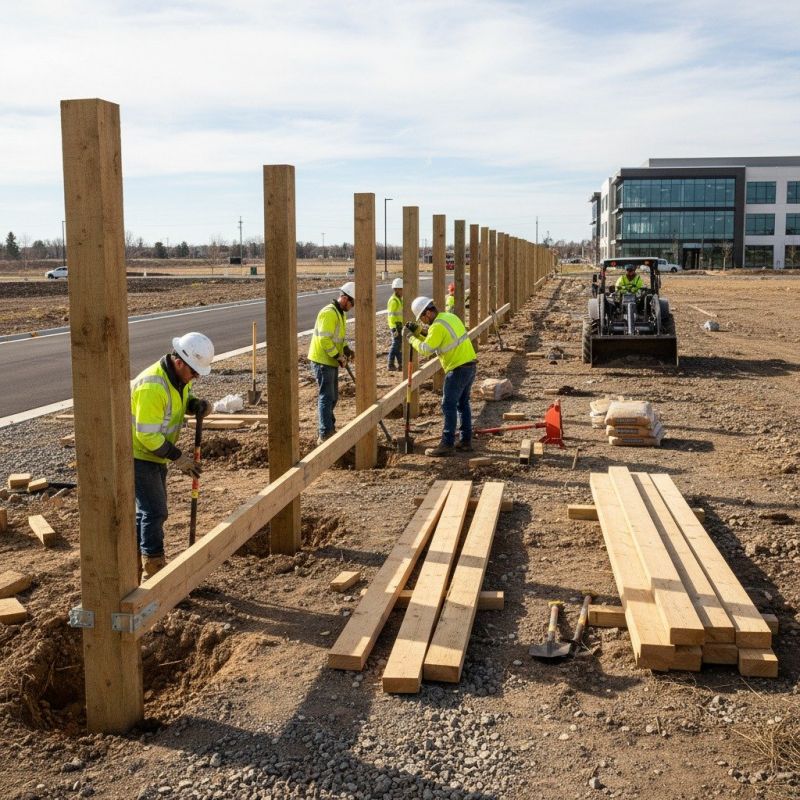
Use consistent comparison criteria across local contractors to accurately evaluate scope, experience, and written expectations.
- Project Scope - Clearly define the specific dimensions, style, and materials for the iron fence to ensure alignment with property requirements.
- Material Specifications - Identify the type and quality of iron and any finishing details to establish expectations for durability and appearance.
- Installation Details - Outline the desired installation process, including fence placement, ground preparation, and anchoring methods.
- Experience and Expertise - Verify that local contractors have relevant experience in iron fence construction to ensure quality workmanship.
- Written Agreement - Ensure all project details, responsibilities, and expectations are documented in a written scope agreement.
When comparing contractors for iron fence construction, it’s important to evaluate their experience with similar projects. Service providers who have a proven track record working on iron fences of comparable scope and complexity can offer insights into potential challenges and best practices. Asking about past projects, including the types of fences built and the environments in which they were installed, can help gauge a contractor’s familiarity with the specific requirements of your site. This focus on relevant experience can contribute to a smoother construction process and help ensure the finished fence meets expectations.
A clear, written scope of work is essential when evaluating different contractors. A detailed scope should outline the specific tasks involved, materials to be used, and the expected deliverables. This documentation helps prevent misunderstandings and provides a concrete reference point throughout the project. When reviewing proposals or estimates, look for service providers who can articulate their scope comprehensively and in plain language. Having a well-defined scope in writing helps set clear expectations and provides a basis for comparing the thoroughness and professionalism of each contractor’s approach.
Verification basics involve confirming that a contractor’s credentials, references, and project history align with the project’s needs. While licensing and certification are not the focus, it’s still valuable to ask for references from previous clients who had similar iron fencing projects. Contact these references to inquire about the contractor’s workmanship, reliability, and ability to meet project specifications. Additionally, reviewing any available project portfolios or case studies can provide insight into the quality of previous work. These verification steps help establish confidence in a service provider’s ability to deliver satisfactory results.
Evaluating options without discussing prices involves focusing on the quality of the proposal, scope, experience, and communication. Consider how well each contractor understands the project requirements and whether they provide a comprehensive plan for execution. Look for clarity in their scope, responsiveness to questions, and professionalism in their presentation. Comparing these qualitative factors can help identify service providers who are capable of fulfilling the project’s needs reliably. This approach ensures that the decision is based on the contractor’s expertise and approach, rather than solely on cost considerations.
Ask contractors to provide written descriptions of scope, materials, and responsibilities to ensure clear expectations.
- Experience and Expertise - What specific experience do local contractors have with iron fence construction projects?
- Scope of Work - How clearly do contractors define the scope and materials included in the project?
- Project Approach - What construction methods and materials do service providers plan to use for the iron fence?
- Communication and Clarification - How do contractors ensure expectations are documented and understood before starting work?
- Comparing Qualifications - What criteria can be used to compare the qualifications and past work of different local contractors?
How can I compare contractors for iron fence construction? To compare contractors, review their experience, verify references, and examine their portfolios to assess the quality of previous work.
What should I consider when defining the scope of my iron fence project? Clearly outline the desired fence type, dimensions, materials, and any additional features to ensure contractors understand the project requirements.
How can I verify a contractor’s experience with iron fence construction? Ask for details about their past projects, request references, and check how long they have been working specifically with iron fences.
Why is it important to get written estimates and agreements? Written documentation helps set clear expectations, defines project scope, and provides a record of agreed-upon details to prevent misunderstandings.
What questions should I ask contractors during the selection process? Inquire about their previous experience, methods, materials used, and how they handle project challenges to gauge their expertise.
How can I ensure the contractor understands my specific fencing needs? Communicate your project details clearly and ask for their input to confirm they can meet your requirements effectively.
This page has highlighted the importance of clearly defining the scope of an iron fence construction project, verifying the experience of local contractors, and putting all expectations in writing to help ensure a smooth process. By understanding these key considerations, visitors can better compare options and make informed decisions when selecting service providers for their fencing needs. Using the quote form allows for a straightforward way to connect with local contractors who can handle the job and provide tailored solutions.
Taking the time to evaluate different local contractors can lead to finding the right match for an iron fence project. The quote form offers an easy way to gather information and compare available options, helping to streamline the decision-making process. Engaging with trusted service providers who understand the scope and expectations can make a significant difference in achieving the desired outcome.